Raising Highland Cattle: Tips from Krueger Family Farms

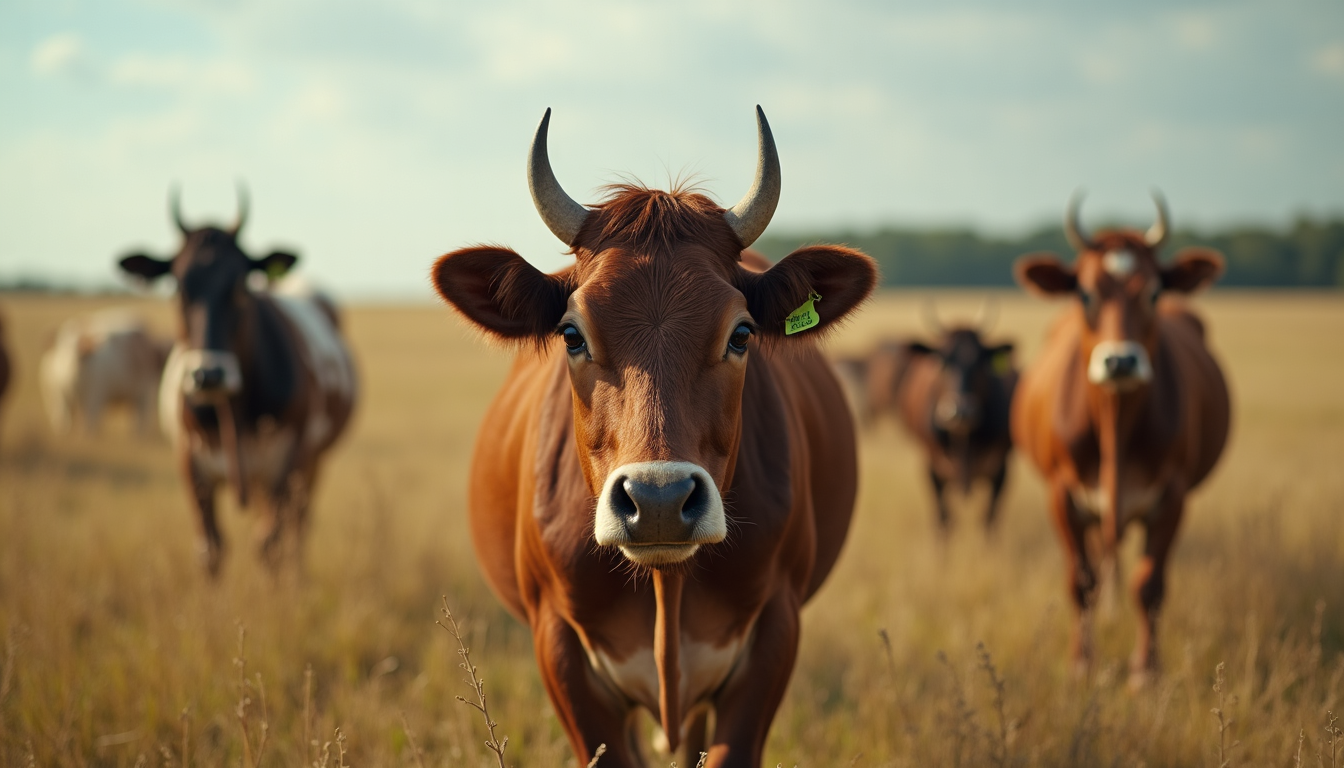
Highland cattle are not just a beautiful sight on the rolling hills; they are also a rewarding investment for farmers and ranchers. With their long horns and shaggy coats, these animals are well-suited for various climates and terrains. At Krueger Family Farms, we have spent years perfecting the art of raising these magnificent creatures. In this post, we will share essential tips and insights to help you successfully raise Highland cattle.

Understanding Highland Cattle
Highland cattle are a hardy breed known for their adaptability and resilience. Originating from the Scottish Highlands, they are well-equipped to handle harsh weather conditions. Here are some key characteristics of Highland cattle:
Temperament: Generally calm and friendly, they can be easily handled with proper training.
Diet: They thrive on rough forage, making them excellent foragers.
Health: Their thick coats protect them from cold weather, reducing the need for additional shelter.
Understanding these traits is crucial for anyone looking to raise Highland cattle successfully.
Choosing the Right Environment
Creating an ideal environment for your Highland cattle is essential for their health and productivity. Here are some factors to consider:
Space Requirements
Highland cattle require ample space to roam and graze. A minimum of 1.5 acres per animal is recommended, but more space is always better. This allows them to exhibit natural behaviors and reduces stress.
Shelter
While Highland cattle are hardy, they still need shelter from extreme weather conditions. A simple three-sided barn or shed can provide protection from wind and rain. Ensure that the shelter is well-ventilated and dry to prevent health issues.
Fencing
Strong fencing is crucial to keep your cattle safe and secure. Highland cattle are known for their curiosity and can be quite strong. Stock fencing combined with barbed wire or electric fencing is often the best option.
Feeding Highland Cattle
Feeding is one of the most critical aspects of raising Highland cattle. Here are some tips to ensure they receive a balanced diet:
Forage
Highland cattle are natural foragers and prefer grazing on grass, hay, and other roughage. They can thrive on lower-quality forage compared to other breeds. Consider planting a mix of grasses and legumes to provide a varied diet.
Supplements
While Highland cattle can get most of their nutrients from forage, they may require supplements, especially during winter months when grass is scarce. Mineral blocks and salt licks can help ensure they receive essential vitamins and minerals.
Water
Access to clean, fresh water is vital. Cattle can drink up to 10 gallons of water per day, depending on their size and the weather. Ensure that water sources are easily accessible and regularly cleaned.
Health Care and Maintenance
Maintaining the health of your Highland cattle is crucial for their longevity and productivity. Here are some key health care practices:
Regular Check-Ups
Schedule regular veterinary check-ups to monitor the health of your cattle. Vaccinations and deworming should be part of your routine care.
Hoof Care
Highland cattle have strong hooves, but they still require regular trimming to prevent overgrowth and related issues. Check their hooves every few months and trim as necessary.
Signs of Illness
Be vigilant for signs of illness, such as lethargy, loss of appetite, or unusual behavior. Early detection can prevent more serious health issues down the line.
Breeding Highland Cattle
Breeding Highland cattle can be a rewarding endeavor, but it requires careful planning and knowledge. Here are some tips for successful breeding:
Selecting Breeding Stock
Choose healthy, strong animals for breeding. Look for traits such as good temperament, conformation, and health history. This will help ensure that you produce high-quality offspring.
Timing
Understanding the breeding cycle is essential. Highland cattle typically have a 21-day estrous cycle. Monitor your cows for signs of heat to optimize breeding opportunities.
Care for Pregnant Cows
Pregnant cows require special care. Ensure they have access to high-quality forage and clean water. Regular veterinary check-ups are also important during this time.
Marketing Your Highland Cattle
If you plan to sell Highland cattle, effective marketing is key. Here are some strategies to consider:
Build a Brand
Create a brand that reflects the quality and uniqueness of your Highland cattle. Use social media, a website, and local events to showcase your farm and animals.
Connect with Local Markets
Establish relationships with local restaurants, butcher shops, and farmers' markets. Highlight the benefits of Highland beef, such as its rich flavor and health benefits.
Participate in Shows and Fairs
Participating in agricultural shows and fairs can help you gain exposure and connect with potential buyers. Showcasing your cattle can also enhance your reputation in the community.
Conclusion
Raising Highland cattle can be a fulfilling and profitable venture. By understanding their needs, providing proper care, and effectively marketing your cattle, you can build a successful operation. Whether you are a seasoned farmer or a newcomer to livestock, the tips shared from Krueger Family Farms will guide you on your journey to raising these magnificent animals.
Take the first step today by researching local resources and connecting with other Highland cattle enthusiasts. Your journey into the world of Highland cattle awaits!
Comments