Upcoming Calves: Exciting Additions to Our Fold

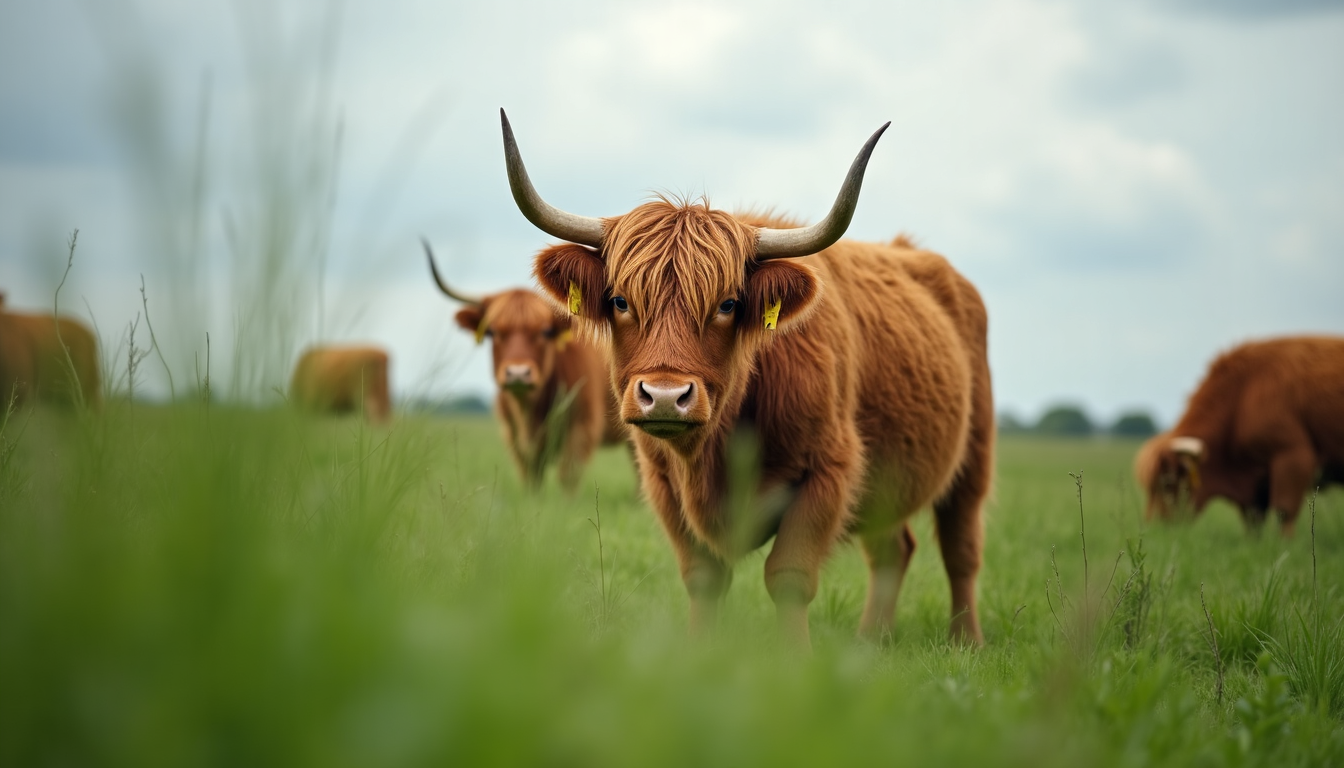
The arrival of new calves is always a thrilling time for any farm. These young additions not only bring joy and excitement but also represent the future of our herd. As we prepare for the upcoming season, it’s essential to understand what to expect and how to care for these new members of our fold. In this post, we will explore the significance of new calves, the best practices for their care, and what makes each addition unique.

The Significance of New Calves
New calves are more than just adorable creatures; they are vital to the sustainability and growth of our farm. Here are some key reasons why their arrival is significant:
Genetic Improvement: Each calf represents a new opportunity to enhance the genetic quality of our herd. By selecting breeding pairs carefully, we can improve traits such as milk production, growth rates, and disease resistance.
Economic Impact: Calves are an investment. As they grow, they can be sold for beef or kept for breeding, contributing to the farm's profitability.
Emotional Connection: For many farmers, calves symbolize hope and renewal. They remind us of the cycles of life and the hard work that goes into raising livestock.
Preparing for Calf Arrival
Before the calves arrive, there are several preparations that need to be made to ensure a smooth transition for both the calves and the farm. Here are some essential steps:
1. Calf Housing
Creating a safe and comfortable environment is crucial. Calves need shelter that protects them from harsh weather conditions. Consider the following:
Cleanliness: Ensure that the housing area is clean and dry to prevent disease.
Space: Provide enough space for each calf to move around comfortably.
Ventilation: Good airflow is essential to prevent respiratory issues.
2. Feeding Preparation
Proper nutrition is vital for the health and growth of calves. Prepare to provide:
Colostrum: The first milk from the mother is rich in antibodies. Ensure that calves receive colostrum within the first few hours of life.
Milk Replacers: If the mother is unable to nurse, have high-quality milk replacers on hand.
Solid Feed: As they grow, introduce solid feed gradually to support their development.
3. Health Care Plan
Establish a health care plan that includes:
Vaccinations: Schedule vaccinations to protect against common diseases.
Regular Check-ups: Monitor their health closely during the first few weeks.
Record Keeping: Keep detailed records of each calf’s health, vaccinations, and growth rates.
The First Few Days
The first few days of a calf's life are critical. Here’s what to focus on during this period:
1. Monitoring Behavior
Calves are naturally curious and will begin to explore their surroundings. Watch for signs of distress or illness, such as:
Lack of appetite
Isolation from the herd
Coughing or nasal discharge
2. Establishing a Routine
Calves thrive on routine. Establish a consistent schedule for feeding, cleaning, and health checks. This helps them feel secure and promotes healthy growth.
3. Socialization
Introduce calves to the herd gradually. Socialization is important for their development. They learn from older cows and establish their place within the herd.
Unique Traits of Upcoming Calves
Each calf has its own unique traits and characteristics. Here are some examples of what to look forward to in the upcoming season:
1. Color Patterns
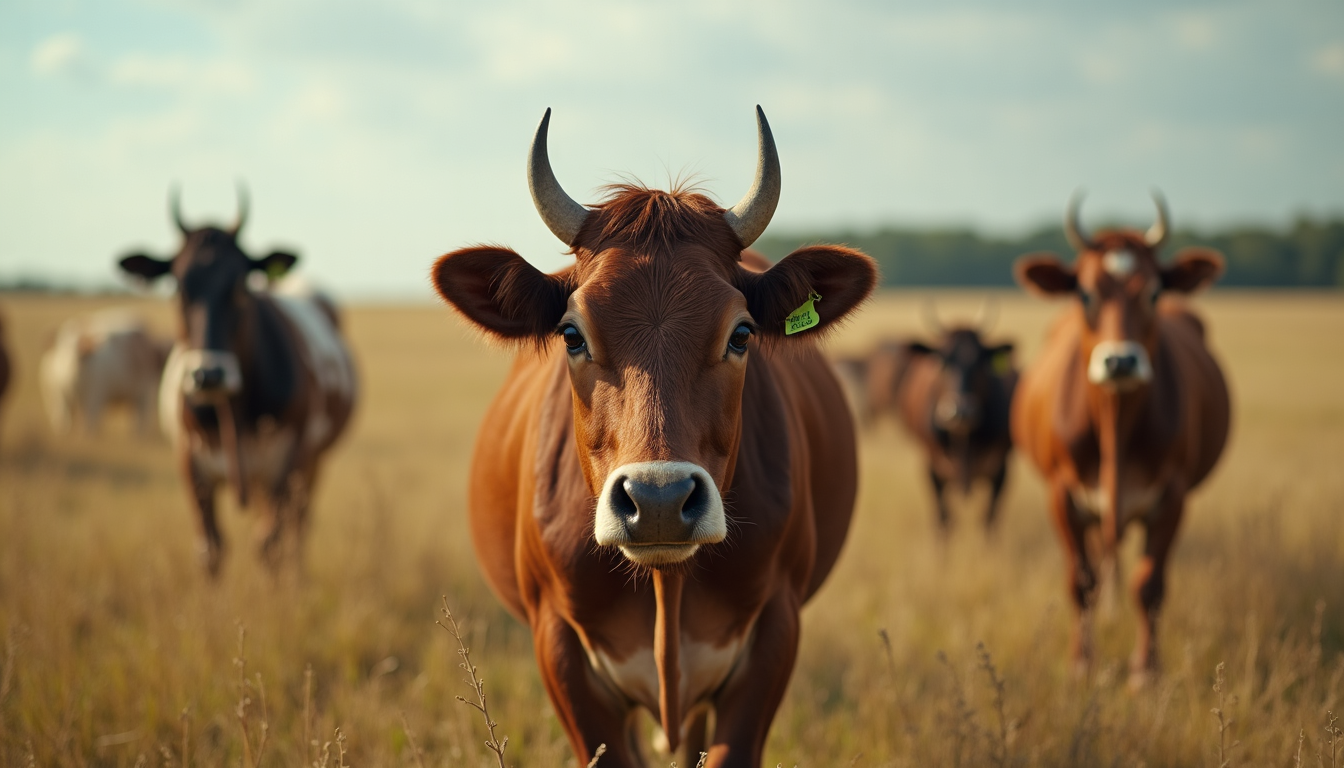
Calves come in various colors and patterns. Some may have striking markings that make them stand out. For example, a black and white Holstein calf can be easily recognized by its distinct patches.
2. Temperament
Some calves may be more outgoing and curious, while others may be shy and reserved. Understanding their personalities can help in training and handling them as they grow.
3. Growth Rates
Different breeds have varying growth rates. For instance, Angus calves are known for their rapid growth, making them a popular choice for beef production.
Best Practices for Raising Calves
To ensure the health and productivity of your calves, follow these best practices:
1. Nutrition Management
Proper nutrition is the foundation of healthy growth. Ensure that calves receive a balanced diet that includes:
High-quality forage
Grain supplements
Fresh water at all times
2. Regular Health Checks
Conduct regular health checks to monitor growth and detect any potential issues early. Look for:
Weight gain
Healthy coat condition
Active behavior
3. Environmental Enrichment
Provide enrichment activities to keep calves engaged. This can include:
Toys to play with
Space to roam and explore
Opportunities for social interaction with other calves
Conclusion
The arrival of new calves is an exciting time that brings both challenges and rewards. By preparing adequately and following best practices, you can ensure that these young additions thrive and contribute positively to your farm. Remember, each calf is unique and has the potential to become a valuable member of your herd. As you welcome these new lives, embrace the journey of raising them with care and dedication.
As we look forward to the upcoming season, let’s celebrate the joy and promise that new calves bring to our fold. Whether you are a seasoned farmer or new to raising livestock, the experience of nurturing these young animals is both fulfilling and essential for the future of agriculture.
Comments